Reviewing the Little Wildflower SVG for Real Embroidery
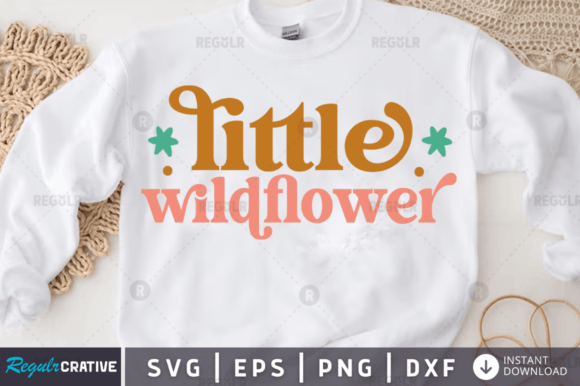
As a designer who spends more time staring at stitch simulations than I do sleeping, I have learned that not every pretty graphic translates well to thread. We see thousands of design assets flood the market weekly, promising versatility and charm. But when you are running a craft business or building a portfolio for a small shop product, you need more than just a cute image. You need reliability. Recently, I pulled the Little Wildflower Svg Design into my workspace to evaluate its potential for actual production. This is not just a review of a digital file; it is an assessment of how this specific graphic holds up when subjected to the realities of needle, thread, and fabric tension.
First Impressions: Mood and Visual Personality
The first thing that strikes you about the Little Wildflower Svg Design is its delicate, organic feel. It does not scream for attention with bold, blocky lines. Instead, it whispers. The layout suggests a gentle, natural theme that aligns perfectly with current trends in slow fashion and handmade goods. For embroidery designers, this visual personality is crucial. It dictates where the design can live. It feels inherently suited for soft, natural fibers rather than stiff, industrial materials.
The shape and detail level are balanced in a way that suggests sophistication without overwhelming complexity. In the world of Crafts and Graphics, simplicity is often harder to execute than intricacy because there is nowhere for errors to hide. This design relies on clean lines and thoughtful spacing. When I looked at it on screen, I immediately imagined it on a linen tote or a soft cotton baby onesie. It creates a mood of calm and celebration, which is why the description notes it is great for celebrating the Baby Quote Svg Bundle. It carries an emotional weight that resonates with buyers looking for meaningful, personalized gift options.
Real-World Application: From Screen to Stitch
To truly test a machine embroidery design, you have to imagine it stitched out. I visualized this design on a few key items to see where it would shine. The most obvious candidate is a tote bag design. Imagine a canvas bag with this wildflower motif stitched in earthy tones—sage green, muted lavender, and cream. The organic lines of the flower would complement the texture of the canvas beautifully.
Another strong use case is sweatshirt embroidery. A crewneck sweatshirt in a heather grey or oatmeal color provides a neutral backdrop that allows the Little Wildflower Svg Design to pop without looking too busy. Because the design is likely composed of distinct shapes rather than dense fills, it avoids the "cardboard effect" that plagues many large embroidery projects on knit fabrics. This makes it an excellent choice for custom apparel where comfort is as important as aesthetics.
I also considered its application in baby embroidery. The gentle nature of the wildflower theme makes it ideal for nursery decor, such as pillow covers or blanket accents. Parents are increasingly drawn to gender-neutral, nature-inspired motifs, and this design fits that niche perfectly. It could easily serve as a centerpiece for a holiday embroidery project, perhaps paired with simple text for a spring-themed gift.
Technical Considerations for the Embroiderer
While the aesthetic appeal is high, practical execution requires careful planning. Since this is provided as an SVG, it is primarily a vector graphic intended for cutting or printing, but many embroiderers use these files as a base for digitizing or as applique templates. If you are using this as an applique design, the workflow is straightforward: stitch the outline, place your fabric, and stitch again. This method reduces stitch density significantly, making it ideal for lightweight fabrics like voile or thin cotton.
However, if you are digitizing this from scratch to create a full embroidery file, pay close attention to the curves. Wildflowers often have tapered petals. Using a satins stitch on very narrow points can lead to thread breaks or puckering if the width is not managed correctly. A combination of satin stitches for the petals and running stitch for the stems might offer the best balance of coverage and flexibility. Always check your hoop size constraints. While the design appears small, ensure it fits comfortably within your standard hoops without requiring excessive re-hooping, which can distort the final look.
Fabric choice is paramount. On textured fabrics, fine details can get lost. I recommend testing the design on a smooth, woven cotton first. If you plan to use it on stretchy fabric, a cut-away stabilizer is non-negotiable to prevent distortion after washing. For dark fabrics, consider how your thread colors will contrast. A white or light yellow thread on navy blue will look crisp, but ensure the digitizing accounts for any potential show-through of the background fabric.
Commercial Viability and Brand Consistency
For Etsy seller accounts and boutique owners, the Little Wildflower Svg Design offers strong commercial potential. It is versatile enough to be used across a range of products, from embroidered patch creations to kitchen towels. This versatility helps maintain brand consistency. If your shop focuses on natural, handcrafted vibes, this design reinforces that identity.
Customer trust is built on quality. A clean, well-executed embroidery job signals professionalism. Because this design is not overly complex, it is easier to produce consistently, reducing the risk of wasted materials due to stitching errors. This efficiency directly impacts your profit margins. Furthermore, the design’s appeal extends to digital products. You can use it to create high-quality printable mockup images for your listings, showing customers exactly how the finished product will look on a mug, sign, or card.
Practical Designer Notes
Before you commit to a large batch of commercial embroidery projects, take these steps:
- Test on Scrap Fabric: Never skip this step. Stitch the design on the exact fabric type you plan to sell. Check for puckering, thread breaks, and registration issues.
- Check Thread Contrast: View your test stitch-out from a distance. Does the design read clearly? If the colors are too similar, the detail will vanish.
- Review Stitch Density: If you are digitizing this yourself, keep the density moderate. High density on a small floral design can make the fabric stiff and unappealing.
- Inspect Small Details: Zoom in on the vector file. Are there any stray nodes or overlapping paths that could cause confusion in your digitizing software?
- Confirm Licensing: The product description mentions it can be used for various purposes, but always verify the specific license terms. Ensure you have the right to sell finished items or use it in digital embroidery file bundles if that is your business model.
- Mockup in Black and White: Convert the design to grayscale on your screen. This helps you identify value contrasts and ensures the shape holds up even without color.
Final Verdict
The Little Wildflower Svg Design is a thoughtful addition to any designer’s library. It bridges the gap between digital convenience and tactile beauty. While it requires careful handling regarding fabric choice and stitch technique, its potential for creating high-value, emotionally resonant products is significant. Whether you are making a single personalized gift or stocking your online store, this design offers the elegance and versatility needed to stand out in a crowded market. Treat it with the respect it deserves, test it thoroughly, and it will likely become a staple in your embroidery project rotation.