Reviewing Be Real Not Perfect Quote for Embroidery
As a designer who has spent countless hours digitizing and stitching text-based motifs, I approach every new machine embroidery design with a mix of curiosity and skepticism. Typography is deceptively difficult. It looks simple on a screen, but once the needle hits the fabric, poor spacing or inconsistent line weight can ruin an otherwise beautiful piece. Recently, I evaluated the Be Real Not Perfect Quote to determine its viability for real-world projects. This isn’t just about whether the file opens correctly; it is about how this specific graphic translates into thread, how it behaves on different textiles, and whether it holds up under the scrutiny of a paying customer.
First Impressions: Mood and Visual Personality
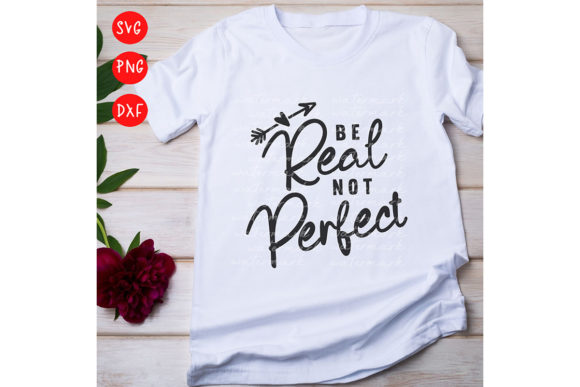
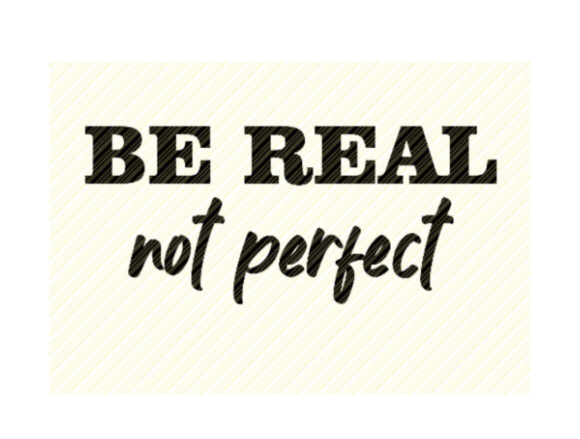
The immediate appeal of the Be Real Not Perfect Quote lies in its thematic resonance. In a market saturated with hyper-polished, aesthetic-driven content, this message offers a breath of fresh air. It speaks directly to the modern consumer’s desire for authenticity. From a design perspective, the layout appears balanced, likely utilizing a mix of script and sans-serif fonts to create visual interest. This contrast is crucial in embroidery because it allows for varied stitch types. The "Real" and "Perfect" elements likely carry more visual weight, while the connecting words provide breathing room.
When I first loaded the embroidery file into my viewer, I looked for clean node structures and logical stitch paths. For a quote like this, the flow of the text must guide the eye naturally. If the digitizer has done their job well, the transition between words should be seamless, minimizing jumps and trims. This particular design feels suited for the Crafts and Graphics sectors where emotional connection drives sales. It is not just a decoration; it is a statement piece that adds personality to any item it adorns.
Real-World Application: The Tote Bag Test
To truly understand the potential of this design, I imagined a specific use case: a custom canvas tote bag for a local bookstore or a self-care workshop. Canvas is a sturdy, textured fabric that can be unforgiving if the stitch density is too low or the stabilizer is insufficient. The Be Real Not Perfect Quote would sit prominently on the front panel. Here, the legibility of the text is paramount.
In this scenario, the design’s performance depends heavily on the chosen thread colors. A high-contrast combination, such as charcoal thread on natural canvas, would emphasize the boldness of the message. Alternatively, a soft pastel thread on a white bag could create a subtle, understated look that appeals to minimalists. The key is ensuring that the finer details of the font do not get lost in the weave of the fabric. If the design includes small serifs or tight kerning, these areas need careful attention during the digitizing process to prevent thread breaks or puckering.
Versatility Across Product Lines
Beyond tote bags, this design shows promise across a wide range of custom apparel and home goods. Consider a cozy sweatshirt. The soft, looped texture of fleece requires a different approach than canvas. Here, a lighter stitch density might be preferable to avoid stiffness. The Be Real Not Perfect Quote could be placed on the chest for a classic look or along the sleeve for a modern twist. For baby embroidery, such as on a muslin swaddle or a onesie, the design would need to be scaled down significantly. However, one must be cautious: shrinking text-based designs too much can render them unreadable. Always check the minimum recommended size before attempting small-scale applications.
For Etsy sellers and small shop owners, this design fits perfectly into the "self-love" and "mental health awareness" niches. It works well on pillow covers, aprons, and even embroidered patches. Patches are particularly interesting because they allow the customer to apply the message to various items later, increasing the perceived value of the handmade product. When used on curved surfaces like caps, the design must be centered carefully to avoid distortion. A cap hoop is essential here to maintain the integrity of the text shape.
Technical Considerations and Potential Pitfalls
While the message is powerful, the execution requires technical precision. Text-based designs are prone to certain issues that abstract graphics are not. One major concern is stitch density. If the letters are filled with dense satin stitches, the fabric may pucker, especially on thinner materials like t-shirt jersey. In such cases, using a running stitch outline or a light fill stitch might be more appropriate. It is vital to review the design settings and adjust pull compensation if necessary.
Another critical factor is the choice of stabilizer. For stretchy fabrics, a cut-away stabilizer is non-negotiable to prevent the design from distorting after washing. For woven fabrics like linen or cotton, a tear-away might suffice, but testing is always recommended. I advise designers to stitch out a test sample on scrap fabric before committing to a final product. This allows you to check for thread breaks, nesting, and overall clarity. Pay close attention to the small details, such as the dots on the "i" or the crossbars on the "t." These tiny elements are often the first to fail if the digitizing is not precise.
Fabric and Color Constraints
Dark fabrics present a unique challenge. If you are stitching white or light-colored thread on black fabric, you must ensure that the underlying fabric does not show through the stitches. This might require an underlay stitch or a slightly higher density. Conversely, on light fabrics, dark threads can cast shadows if the stitch angle is not optimized. Always test your thread colors against your intended fabric background. A printable mockup can help visualize the final look, but nothing replaces a physical stitch-out.
Additionally, consider the care instructions of the final product. Items like kitchen towels or baby clothes undergo frequent washing. The durability of the Be Real Not Perfect Quote will depend on the quality of the thread and the stability of the stitches. Using high-quality polyester or rayon thread can enhance the longevity and sheen of the finished piece. Avoid using cotton thread for high-wear items, as it is more prone to breaking and fading.
Commercial Viability and Brand Consistency
For commercial embroidery professionals and craft business owners, the licensing terms of the digital embroidery file are crucial. Before selling finished items or using the design in client projects, confirm that the license allows for commercial use. Many designers offer different tiers of licensing, so it is essential to read the fine print. Assuming the license permits it, this design can be a valuable asset in your portfolio. It aligns well with brands that prioritize authenticity, inclusivity, and mental well-being.
The Be Real Not Perfect Quote can enhance brand consistency by providing a cohesive visual language across your product line. Whether used on packaging, promotional items, or main merchandise, the message reinforces your brand values. Customers are increasingly drawn to brands that feel human and relatable. This design offers a straightforward way to communicate that ethos. When listing products on platforms like Etsy, use clear photos that show the texture of the stitches. Close-up shots help buyers appreciate the quality of the work and build trust in your craftsmanship.
Final Verdict: A Thoughtful Addition to Your Library
After evaluating the Be Real Not Perfect Quote from both a creative and technical standpoint, I find it to be a strong candidate for various embroidery projects. Its strength lies in its simplicity and emotional impact. However, success depends on proper execution. Pay attention to fabric choice, stabilizer selection, and stitch parameters. Test thoroughly, especially when working with new materials or scales.
For small shop products and personalized gifts, this design offers a meaningful touch that resonates with today’s consumers. It is not just a pretty picture; it is a conversation starter. By treating it with the respect it deserves in the digitizing and stitching process, you can create finished products that are not only visually appealing but also emotionally engaging. Remember, the goal is not perfection, but authenticity. Let the slight imperfections of the handmade process add to the charm of the Be Real Not Perfect Quote, reinforcing the very message it carries.