I Love My DAD SVG: A Designer’s Embroidery Review
As an embroidery designer who spends more time staring at stitch simulations than I care to admit, I have learned that not every digital file translates beautifully into thread. We live in an era where Crafts and digital design intersect constantly, but the gap between a crisp vector on a screen and a textured, stitched reality is where the real work happens. Recently, I evaluated the I Love My DAD Svg Design to determine its viability for real-world projects. This isn’t just about whether the lines are clean; it is about whether this asset holds up under the needle, respects the fabric, and delivers value to the end user.
First Impressions: Mood and Visual Personality
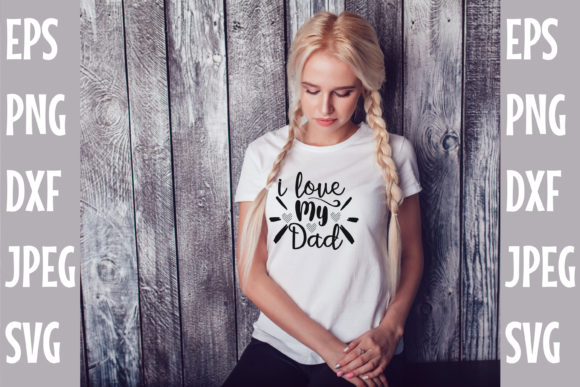
When I first loaded the I Love My DAD Svg Design into my workflow, the immediate impression was one of warmth and simplicity. The design avoids the clutter that plagues so many holiday-themed assets. Instead, it relies on strong, confident shapes and legible typography. For a designer, this is crucial. Complex, overly detailed graphics often turn into a muddy mess when converted into a machine embroidery design, especially at smaller scales. This particular layout suggests a modern, heartfelt aesthetic that appeals to a broad demographic, from young children making their first gift to adults looking for subtle, stylish apparel.
The visual personality here is versatile. It does not scream for attention with excessive ornamentation, which means it can sit comfortably on a variety of products without overwhelming the base material. Whether you are aiming for a rustic look on a linen tote or a clean, contemporary vibe on a heavyweight sweatshirt, the design’s inherent balance allows it to adapt. It feels less like a generic clipart insertion and more like a intentional piece of design assets meant for thoughtful creation.
Real-World Application: From Screen to Stitch
To truly test the potential of this file, I imagined several common scenarios faced by Etsy sellers and craft business owners. Let’s consider a custom embroidered tote bag. Tote bags are typically made from canvas or heavy cotton, which has a distinct weave. A design like I Love My DAD Svg Design needs to have enough weight to stand out against that texture. If the lines are too thin, they get lost in the fabric grain. In this case, the boldness of the lettering suggests it would perform well, provided the digitizer uses appropriate stitch density to ensure coverage without causing puckering.
Another prime candidate is sweatshirt embroidery. Here, the challenge shifts to handling the loft of the fleece or French terry fabric. The design’s open areas and clear spacing are advantageous here. Dense clusters of stitches can sink into plush fabrics, making the text unreadable. By keeping the layout relatively open, this SVG allows for a cleaner finish on textured garments. It also works exceptionally well for baby embroidery projects, such as onesies or bibs, where softness and simplicity are paramount. Parents often prefer designs that are sweet but not overly busy, and this fits that brief perfectly.
For those creating embroidered patch products, this design offers a clear boundary. Patches require defined edges to prevent fraying during wear and washing. The solid shapes in the I Love My DAD Svg Design lend themselves well to satin stitch borders, which provide that professional, finished look customers expect from a handmade product.
Navigating Technical Challenges and Fabric Choices
While the design is strong, practical application requires caution. Not every fabric behaves the same way. When working with stretchy fabrics, such as jersey knits for t-shirts, stability is key. Without proper stabilizer, even the best-designed SVG can distort. I recommend using a cut-away stabilizer for garments that will be washed frequently, ensuring the finished product maintains its shape over time.
Curved surfaces present another hurdle. If you are applying this to a cap or hat, the center front panel is narrow. You must check the width of the design against your hoop size. While the description notes compatibility with various cutting software, embroidery hoops have physical limits. Always measure the maximum stitch area of your machine. Additionally, tiny details can be problematic on curved surfaces. If the design includes small decorative elements, consider simplifying them or increasing their size slightly to prevent thread breaks or misalignment during the high-speed stitching of a cap machine.
Dark fabrics require special attention to thread colors. A light-colored thread on a dark navy or black shirt pops beautifully, but it also highlights any imperfections in the stitching. Ensure your tension is balanced. Conversely, on light fabrics, you might need an underlay stitch to prevent the fabric color from showing through the top stitches, particularly if you are using lighter thread tones. Testing on scrap fabric is non-negotiable here. Never skip the test stitch.
Commercial Viability and Brand Consistency
For small shop product creators, consistency is brand currency. Using a cohesive set of designs helps build recognition. The I Love My DAD Svg Design fits well within a broader collection of family-themed or holiday-themed items. It allows for commercial embroidery opportunities, particularly around Father’s Day, birthdays, or family reunions. However, before listing items for sale, you must verify the licensing terms. The product description mentions it is an instant download compatible with Cricut and Silhouette, which primarily indicates its use as a cutting file. If you intend to use it for machine embroidery, you may need to digitize it yourself or ensure you have the rights to convert and sell the stitched outcome.
Visual appeal drives buyer engagement. A clean, well-executed embroidery project photographs better for printable mockup previews and social media marketing. The clarity of this design means it will look sharp in product photos, enhancing perceived value. Customers trust professionalism, and a tidy stitch-out signals quality craftsmanship. This builds confidence in your custom apparel or personalized gift offerings.
Practical Notes for the Embroidery Designer
Before committing to a full production run, keep these technical checkpoints in mind:
- Test on Scrap Fabric: Always run a test on the exact fabric type you plan to use. Check for puckering, thread breaks, and registration accuracy.
- Check Thread Contrast: Ensure your chosen thread colors provide sufficient contrast against the fabric background for readability.
- Review Stitch Density: If you are digitizing this SVG yourself, adjust the density based on the fabric weight. Heavier fabrics can handle more density; delicate fabrics require less.
- Confirm Hoop Size: Measure the design dimensions against your machine’s maximum hoop capacity, especially for caps or small items.
- Inspect Small Details: Zoom in on the vector file. Are there nodes or anchor points that might cause jagged stitches? Clean up the path if necessary.
- Mockup in Black and White: Convert your preview to grayscale to check for value contrast. If it looks muddy in black and white, it may lack definition in thread.
- Verify Licensing: Since this is described as a cutting file for Crafts and Graphics purposes, confirm whether commercial use for stitched items is permitted or if additional licenses are required.
In conclusion, the I Love My DAD Svg Design offers a solid foundation for heartfelt, marketable embroidery projects. Its strength lies in its simplicity and emotional resonance. By respecting the technical limitations of your machine and fabric, you can transform this digital asset into a tangible, cherished holiday embroidery piece or everyday wearable art. It is a reminder that good design is not just about what we see on the screen, but how it feels in the hand and stands the test of time.